



News Lang%Zero Project in the Spotlight on Corriere Torino
Written by fabiooberto on 13/01/2026
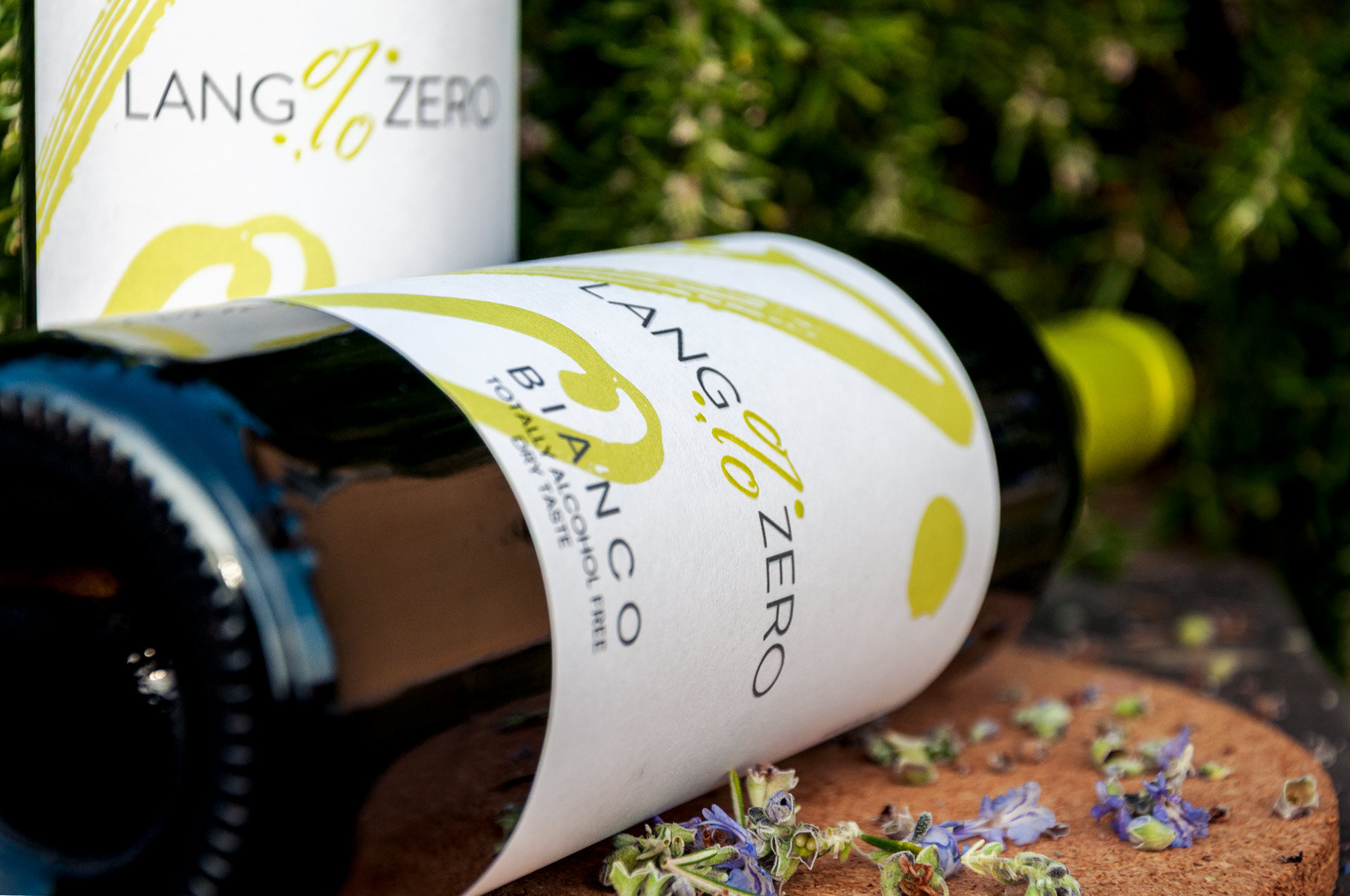
In recent years, the world of wine has been undergoing a profound transformation, driven by new consumption habits, increasingly attentive international markets, and a growing demand for mindful alternatives.
Within this context, our Lang%Zero project takes shape, and Corriere Torino has dedicated an in-depth article to it, telling the story of the vision, the journey, and the challenges of those who have chosen to invest in this emerging category.
The article by Nicolò Fagone La Zita, reported below, describes how this new category is gaining ground in the global market and how, despite the current skepticism of some players, growth prospects are real and already visible beyond national borders.
“Dealcoholized wine is the future, the market is in charge. For now, restaurants are snubbing it, but they will change their minds in a couple of years”
Dealcoholized wine is the future; even today it is giving us great visibility all over the world. The path forward is dictated by the market, and I can assure you that outside national borders demand is high. We must move quickly, however, because German and Spanish producers are conquering the most important segments with highly competitive prices. And if Nebbiolo sales are declining slightly, this is the perfect way to regain ground and increase turnover.
Fabio Oberto, 49, is one of the first entrepreneurs in Piedmont to bet on alcohol-free wine. In La Morra, where he already produces Barbera, Nebbiolo, Arneis, and Barolo (Collina di Dioniso), he has now added the Langhe Zero project, changing a 20-year routine to create dealcoholized Chardonnay.
Oberto, how did you make this decision?
It may seem unusual that a traditional wine producer like me would decide to take on such a complex challenge, but my vision is clear: offering a different product expands consumer choice. I export 95% of my production—if customers ask me for a new target product, I meet their needs. And then I thought about those situations in which, out of necessity or preference, people look for an alternative to classic alcoholic beverages: from athletes to new drivers, all the way to pregnant women.
What kind of dealcoholized wine do you produce? What are the stages?
To obtain an excellent product, you need to exploit the natural potential of wine, working with particularly low grape yields to increase sugar content. For this reason, we start with Chardonnay grapes with an alcohol potential above 13.5%. Alcohol is essential to give wine structure, aroma, stability, and body, which is why we remove it 100% only at a later stage, through reverse osmosis. Finally, we add back the natural sugars of the must to provide the enveloping sensation and fullness typical of traditional wine.
Does dealcoholized wine taste similar to regular wine?
It can vary, depending both on the production process and on the individual sensory perceptions of the taster. One positive aspect of dealcoholization is that phenolic compounds, known for their health benefits, are preserved.
What is the difference between alcohol-free wine and regular grape juice?
The latter is a pure product obtained by simple pressing. It does not undergo fermentation, so it contains no alcohol from the start. Dealcoholized wine, on the other hand, retains the complex traits of wine, developing aromas and complexity. Even without alcohol, it maintains many aromatic and flavor characteristics of wine, although it may be slightly less intense.
When did you start producing it? And how did sales go?
Last year, with the first 1,400 bottles. Twenty percent remained in Italy, while the rest was exported mainly to Canada, Estonia, the United States, the UK, and Australia.
And this year? Will you increase production? At what prices?
Certainly. I would also like to try offering a new type. The idea is to create a blended dealcoholized wine using both Chardonnay (60%) and Arneis (40%), starting with 1,600 bottles. At the beginning we don’t want to exaggerate with numbers because shelf life is only two years. The product does not improve with aging, to be clear. Prices range between €5 and €7 per bottle, depending on the destination.
Do you encounter a lot of resistance in Italy? Is dealcoholized wine considered heresy?
Unfortunately yes. Many even refuse to call it wine, including restaurants. We’ll talk about it again in a few years. Perhaps we are the country that accepts this type of product the least. I fear eyes will open too late, when Spanish and German companies will already have conquered the most profitable markets. They are already exporting at very low prices, even 30 cents per liter.
Which market would you like to conquer?
Japan. They greatly appreciate our products there, and alcohol-free wine is perfect for pairing at the table with their cuisine.
The article, in italian version, can be reached by clicking here.